
Interview
Dr. Ahmed Emam, Consultant Interventional, Cardiologist, Chest Disease Hospital Kuwait
March 16, 2026
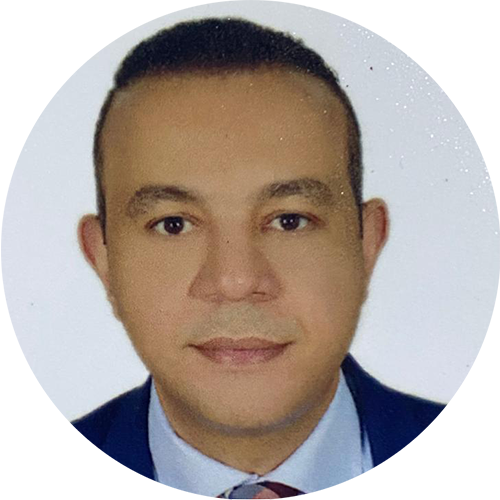
The Chest Disease Hospital in Kuwait has become the first center in the country to adopt the Paradise uRDN System — marking a significant step forward in hypertension management. Dr. Ahmed Emam is one of the region’s leading interventional cardiologists and speaks about his first impressions of the technology, why uRDN is uniquely relevant in the Gulf region, and how expanding clinical guidelines may reshape treatment pathways.
1. The Chest Disease Hospital in Kuwait has been the first center in Kuwait to use the uRDN Paradise System. What are your first impressions?
We are proud to be the first hospital in Kuwait to implement renal denervation using the Paradise uRDN system. My first impression was very positive both from a procedural and clinical standpoint. The technology is intuitive, the workflow is smooth, and the safety profile has been excellent. Early outcomes have shown encouraging reductions in blood pressure, even in patients with long standing uncontrolled hypertension. For example, a few months ago I treated a 56-year-old man with uncontrolled hypertension despite four antihypertensive medications using the ReCor Paradise Renal Denervation System. Within three months, his office blood pressure decreased from 168/98 mmHg to 132/80 mmHg, achieving well-controlled blood pressure without adding new medications.
2. What is specific about hypertension in the Gulf region?
Hypertension in the Gulf region tends to present at a younger age and with greater severity compared to many other parts of the world. This is largely driven by lifestyle factors, including high salt intake, increasing obesity rates, sedentary behavior, and a high prevalence of diabetes. In addition, long-term adherence to antihypertensive medications remains suboptimal. As a result, device-based therapies such as renal denervation (RDN) may have relevance in this population.
3. Are there other patient populations you see as suitable beyond the population studied in clinical trials validating RDN so far?
Yes. Beyond resistant hypertension, I believe several additional patient groups could benefit from renal denervation. These include patients with medication intolerance, fluctuating blood pressure control, or poor long-term adherence—particularly when they remain at high cardiovascular risk. We also see strong potential in younger patients with hypertension, who may benefit from reducing their lifetime exposure to multiple antihypertensive medications and the cumulative burden of long-term pharmacotherapy. In addition, hypertensive women of childbearing age may represent an important subgroup. Many commonly used antihypertensive agents carry potential teratogenic risks, making a non-pharmacological, device-based approach particularly attractive in carefully selected patients.
4. What is the general attitude of newly diagnosed hypertension patients in the Gulf region toward lifelong drug therapy?
In the Gulf region, there is often noticeable reluctance to initiate lifelong antihypertensive therapy—particularly among younger and asymptomatic patients. Many individuals struggle to accept the concept of a chronic condition requiring permanent medication. Concerns about potential side effects, long-term dependency, and the psychological stigma of having a “chronic disease” frequently influence their decision-making. As a result, adherence can be inconsistent from the outset. This mindset makes renal denervation an appealing option for selected patients, especially once they understand that it is a safe, minimally invasive, and durable intervention.
5. Given the high prevalence of hypertension, could there be other suitable approaches to reach this population beyond traditional referral pathways?
Absolutely, with the high and growing burden of hypertension in the Gulf region, relying solely on traditional referral pathways may limit access to advanced therapies. Broader strategies are essential. Public awareness campaigns and structured screening programs in primary care can help identify uncontrolled or high-risk patients earlier. Strengthening collaboration between cardiologists, nephrologists, and general practitioners is also key to creating a streamlined referral network. In addition, corporate health programs and digital health platforms, including remote blood pressure monitoring—offer valuable opportunities to detect uncontrolled hypertension sooner and guide timely intervention.
6. The 2024 ESC guidelines allow consideration of RDN in patients with uncontrolled hypertension on fewer than three drugs when they have higher cardiovascular risk. How relevant is this in your region? Would broader inclusion face reimbursement resistance?
The European Society of Cardiology 2024 guidelines are highly relevant to our region. In the Gulf, we see a particularly high prevalence of comorbidities such as diabetes and chronic kidney disease, which significantly amplify cardiovascular risk—even when hypertension is not yet classified as resistant. Allowing consideration of renal denervation in high-risk patients on fewer than three medications provides an opportunity to intervene earlier in the disease trajectory. Clinically, this is very valuable, especially in patients with suboptimal control despite therapy, medication intolerance, or adherence challenges. From a reimbursement perspective, there may initially be some hesitation with broader eligibility criteria. However, as real-world evidence continues to accumulate and the cost-effectiveness of reducing long-term cardiovascular events becomes clearer, I believe payers will increasingly support wider adoption, particularly in high-risk populations where the potential benefit is substantial.
7. How relevant is the new GIS RDN consensus paper?
The Gulf Intervention Society (GIS) renal denervation consensus paper is highly relevant for our region. As one of the members of the writing committee, I can confirm that it provides much-needed practical clarity for clinicians as renal denervation adoption expands.
Importantly, it helps standardize key aspects such as patient selection, procedural technique, and follow-up pathways. This is critical to ensure consistency in outcomes, particularly as more centers begin offering RDN and operator experience varies.
For emerging markets like ours, such structured regional guidance accelerates the learning curve, aligns practice with international standards, and builds confidence among physicians and institutions.
8. What are the most relevant messages of the consensus paper?
Three key messages stand out:
- RDN is a validated, guideline-supported therapy – it is no longer considered experimental.
- Patient selection should be guided by overall cardiovascular risk, rather than focusing solely on the number of medications.
- A multidisciplinary, structured care pathway is essential to ensure safe procedures and durable blood pressure reduction.
9. How do you see the perception of RDN among different stakeholders? How should these perceptions be addressed?
- Interventional Cardiologists: Generally enthusiastic. They recognize the robust clinical evidence and appreciate the procedural simplicity and safety profile of renal denervation (RDN).
- General / Non- Interventional Cardiologists: Increasingly supportive, particularly with the growing body of randomized data and guideline endorsement. However, some still request more local or regional data. Continuous education and sharing early real-world experience will help strengthen confidence.
- Nephrologists: Interested but appropriately cautious. Their primary concern is long-term renal safety. Transparent real-world data, registry outcomes, and cross-specialty collaboration are essential to build trust and alignment.
- General Practitioners / Internal Medicine Physicians: Awareness remains limited. Many are unfamiliar with current indications and referral criteria. Clear, simplified referral pathways and targeted educational workshops can significantly improve engagement.
- Patients: Highly receptive once properly informed. The possibility of durable blood pressure reduction and reduced medication burden strongly resonates, especially in younger patients and those struggling with adherence.
- The Public: Overall awareness is low. Broader public health campaigns and responsible media coverage can improve understanding of hypertension as a chronic disease and highlight evolving treatment options like RDN.
10. How do you discuss RDN therapy with eligible patients? What do you stress and recommend to colleagues?
When I speak with eligible patients, I focus on three main points:
- Safety: I explain that renal denervation (RDN) is a minimally invasive procedure with a strong global safety record and a very low complication rate. Reassurance about renal safety and procedural simplicity is essential.
- Durability: I emphasize that RDN provides sustained blood pressure reduction over years, not just days or weeks. This is a long-term therapeutic effect, which is particularly important in chronic diseases like hypertension.
- Complementarity: I make it clear that RDN complements lifestyle modification and pharmacotherapy. It is not a replacement for healthy habits or medications, but rather an additional tool to achieve better and more stable blood pressure control.
To colleagues, I strongly advocate for a patient-centered approach. We should evaluate the entire cardiovascular risk profile, not just the number of medications. It is equally important to consider adherence challenges, medication intolerance, and long-term risk exposure. For suitable candidates, I encourage considering RDN earlier rather than as a last resort. Early intervention has the potential to positively change the trajectory of the patient’s disease and reduce cumulative cardiovascular risk over time.
Disclaimer: The interview features Dr. Ahmed Emam`s medical expertise sharing insights on renal denervation. The views and opinions expressed are those of the doctor and do not necessarily reflect those of Recor Medical or other experts.
September 22, 2025
A Joint Interview with Prof. Konstantinos Tsioufis (University of Athens, Hippocratio Hospital, Greece) and Prof. Sofie Brouwers (OLV Ziekenhuis Aalst, Belgium).
June 26, 2025
Prof. Roland Schmieder's study investigates the predictability of blood pressure reduction following renal denervation. The analysis shows a linear relationship between baseline blood pressure and the reduction: the higher the initial value, the greater the reduction.
March 11, 2025
Dr. Karl-Philipp Rommel discusses the renal denervation (RDN) procedure as a treatment for patients with severe, uncontrolled hypertension. RDN is primarily considered for patients whose blood pressure remains high despite multiple medications.